Discoveries about humans in 2018
The human body is amazingly complex, which is why, even in this day and age, we continue to learn new things about ourselves. From a newfound organ to bacteria in our brains, here are 10 things we learned about us in 2018.
 Meet your "interstitium"
With all that's known about human anatomy, you'd hardly expect doctors to discover a new organ these days. But in March this year, researchers in New York and Philadelphia said they did just that. Called the "interstitium," the so-called new organ is a network of fluid-filled spaces in tissue. The researchers discovered this network in connective tissues all over the body, including below the skin's surface; lining the digestive tract, lungs and urinary systems; and surrounding muscles.
It seems that these fluid-filled spaces may have been missed for decades because they don't show up on standard microscopic slides. For now, this network is an unofficial organ, since more research and discussions are needed before scientists would officially bestow such a distinction. But the findings raise many questions, including whether this part of the body could play a role in driving diseases.
 Dads can pass on mitochondrial DNA
It's long been thought that people inherit mitochondrial DNA — genetic material found inside cells' mitochondria — exclusively from their mothers. But in November, researchers published a provocative study that found that, in rare cases, dads can pass on mitochondrial DNA, too. The study found evidence that 17 people from three different families appeared to inherit mitochondrial DNA from both their mother and their father. The findings have already been confirmed by two additional laboratories, but more research replicating the findings from outside groups are still needed, experts said. If proved true, the findings would change our understanding of mitochondrial DNA inheritance, and may lead to new ways of preventing the transmission of mitochondrial diseases, the authors said.
 Bacteria in the brain?
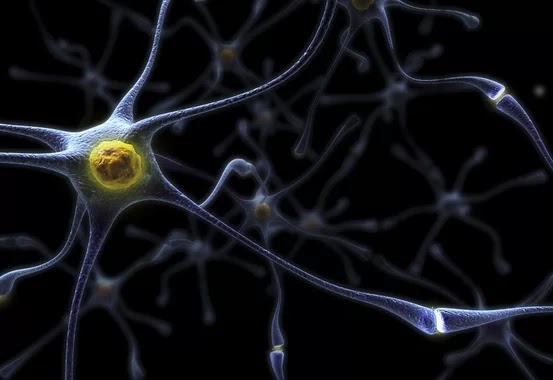
Scientists have always thought of the brain as a "sterile" site, meaning it's normally free of bacteria and other germs. But in November, researchers presented a study at a scientific meeting that found preliminary evidence of microbes living harmlessly in people's brains. The researchers took high-resolution images of slices of postmortem human brain tissue, which showed bacteria in the tissue. Critically, there were no signs of brain disease, suggesting the possibility that people have a "microbiome" in their brain, similar to the one in the human gut. However, additional work is needed to rule out the possibility that the brain samples were somehow contaminated after death, although the research conducted so far does not suggest contamination.
 Microplastics in your poop
So-called microplastics, or tiny particles of plastic, have been found in everything from ocean and tap water to sea creatures and soil. But in October, researchers from Austria found microplastics in stool samples from people around the world. The study involved eight healthy people living in eight different countries, and each stool sample submitted contained the insidious plastic particles Still, a larger study will be needed to confirm the findings, and to investigate the lingering question: Do these plastic particles have an effect on human health?
 Wrinkles linked to heart disease
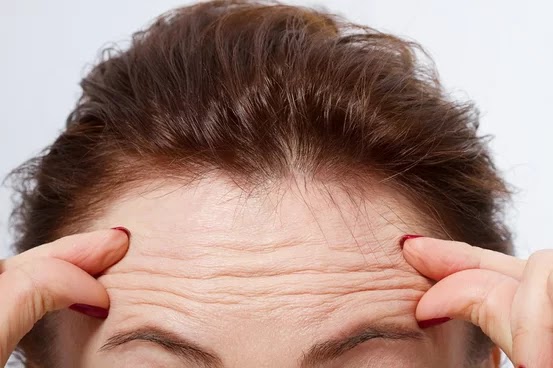
Wrinkles may be more than just a sign of aging — they could signal heart-disease risk. In August, researchers from France presented a study that found that people with numerous, deep forehead wrinkles were more likely to die from heart disease, compared with people of a similar age without forehead wrinkles. The exact reason for the link is unknown, but some factors that lead to premature aging of the skin may also contribute to aging of the arteries.
If the findings are confirmed with additional research, looking at forehead wrinkles could be an easy way to help identify people at high risk for heart disease, or at least raise a "red flag" about their risk. However, it wouldn't take the place of assessing people for classic risk factors, such as high blood pressure and cholesterol levels, the researchers said.
 You may remember 10,000 faces
The number of faces you remember is probably more than you can count. But a new study attempted to quantify how many faces people have stored in their memories. The number varied depending on the person, but it was 5,000 on average, and up to 10,000 for some people. The researchers examined people's facial memory by showing them photos of people they knew personally, as well as famous people. Participants didn't have to put a name to the face, but only had to say whether they recognized it. The researchers noted that their study did not find a limit to the number of faces people can remember.
 These genes may help you dream
Why we dream is still a mystery, but scientists may be a little closer to understanding how we dream. In August, researchers in Japan found that, in animal models, two genes appeared to be essential for the stage of sleep called rapid eye movement (REM), when dreams occur. The researchers used CRISPR technology to knock out these genes, called Chrm 1 and Chrm 3, in mice; they found that mice missing both of these genes did not experience REM sleep. The findings still need to be confirmed in people; but a better understanding of how genes control sleep could lead to the development of new treatments for certain sleep and psychiatric disorders, the researchers said.

Your gut bacteria produce electricity
Your gut bacteria can do more than you think: A study published in September found that certain bacteria found in foods and in our guts can produce electricity. For example, the study found that the bacteria Listeria monocytogenes, which people sometimes consume and can cause a foodborne illness, gave off electrons that could create an electrical current. Bacteria may have this capability as a "backup system" to generate energy under certain conditions, the researchers said. Although it was known that bacteria in other environments, such as those at the bottom of lakes, could generate electricity, scientists didn't know that bacteria in our guts could do the same.
 Friends think alike
If you want to know who your real friends are…get them in a brain scanner? A study published in January found that close friends have similar brain activity in response to certain stimuli, such as random video clips. Indeed, when participants had their brains scanned while watching unfamiliar video clips, the researchers could accurately predict whether people were friends based on their brain activity. Close friends had similar reactions in brain regions tied to emotion, attention and high-level reasoning, the researchers found. Additional studies should examine whether people choose friends that think like them, or whether friends can shape the way you think

Selfies distort your appearance
For selfie lovers, there's some bad news: Selfies really do distort the appearance of your face. A study published in March found that selfies taken 12 inches away from the face make the nose look about 30 percent larger than it really is. In contrast, photos taken from 5 feet away did not distort facial features. The findings are based on a mathematical model the researchers created to examine the distortive effects of photos taken at various angles and distances from the face. The researchers said that they want people to be aware that not everything is how it seems in a selfie.
Source: www.livescience.com